
Climate Justice and Forests: Latin American leaders and the road towards COP30 in Belem
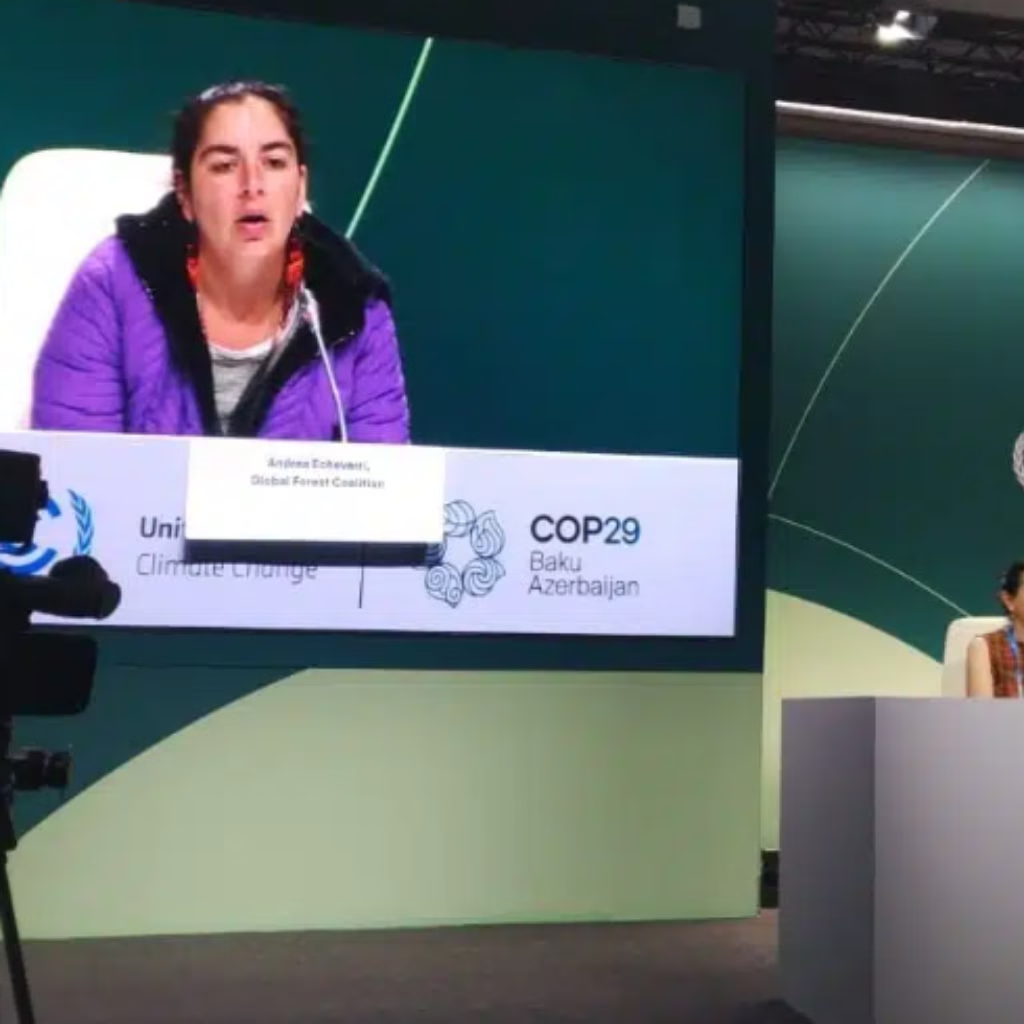
A Demand Climate Justice PRESS RELEASE: Latin American leaders and the road towards COP30 in Belem BAKU, AZERBAIJAN, 18 NOV 24 – Climate activists from Latin America and the Caribbean have set their demands towards the second week of COP29, focusing on the damage that the approval of Article 6.4 can cause in the UNFCCC process, and the low expectations regarding the political will to provide funds, especially for loss and damage, as well emissions reductions in the agriculture sector. Despite the uncertain outcome of negotiations in Baku, particularly on carbon markets and false solutions, Latin America is already building the road towards Belem next year, where the People’s Summit is expected to put pressure on the Brazilian COP30 Presidency and reduce the impact on communities of the climate crisis. Maureen Santos, FASE “The People”s Summit towards COP 30 in Belem will be an opportunity for social movements and organizations to strengthen the global movement for climate justice, land rights and for socioenvironmental transformation. Calling an autonomous and popular convergence process with protagonism of Amazon, LAC and Global South organizations, our goal is to mobilize and pressure for real climate solutions and popular just transition.” Jesús Vázquez Negrón, La Vía Campesina Internacional (Puerto Rico) “Over the past decade, powerful neoliberal governments, transnational agribusinesses, and multinational corporations have been pushing market-based and technology-driven solutions. They continue to burn down our house and we know no one else is coming for us, but ourselves. We promote and practice Agroecology as the systemic solution to achieve Food Sovereignty and Social Justice producing 70 percent of the food worldwide in approximately 30 percent of the available arable land. In La Vía Campesina we commit to continue fulfilling the sacred responsibility of feeding the world, sustaining life while we defend and steward the natural commons.” Andrea Echeverri, Global Forest Coalition (Colombia) “Agro-businesses associated with unsustainable livestock farming are a major cause of environmental and social injustices. It must be a central issue for climate action, as the increasing corporate power of big meat and dairy in these negotiations, participating in parallel multi-stakeholder initiatives, allows for the consolidation of false solutions and narratives.” Ivonne Yánez, Acción Ecológica (Ecuador) “The polluter countries must pay a fine and not a fee to continue polluting. A fine has to do with the recognition of ecological debt. [A] fine is impunity and has to do with all that has being negotiated at this and former COPs.” Adrián Martínez, La Ruta del Clima “Loss and damage is a priority for our communities. Providing financial resources must be included in the commitments adopted at COP29. We do not accept agreements that violate the historical obligations of developed countries, which are the cause of this crisis. Negotiations cannot go beyond the legal framework; we have the right to have the damage repaired. The NCQG must provide the funds for loss and damage.” Reproduction from the Global Forest Coalition website.
It was in the press: Parallel COPs. Expectations for COP 30 are for greater civil participation and demonstrations.
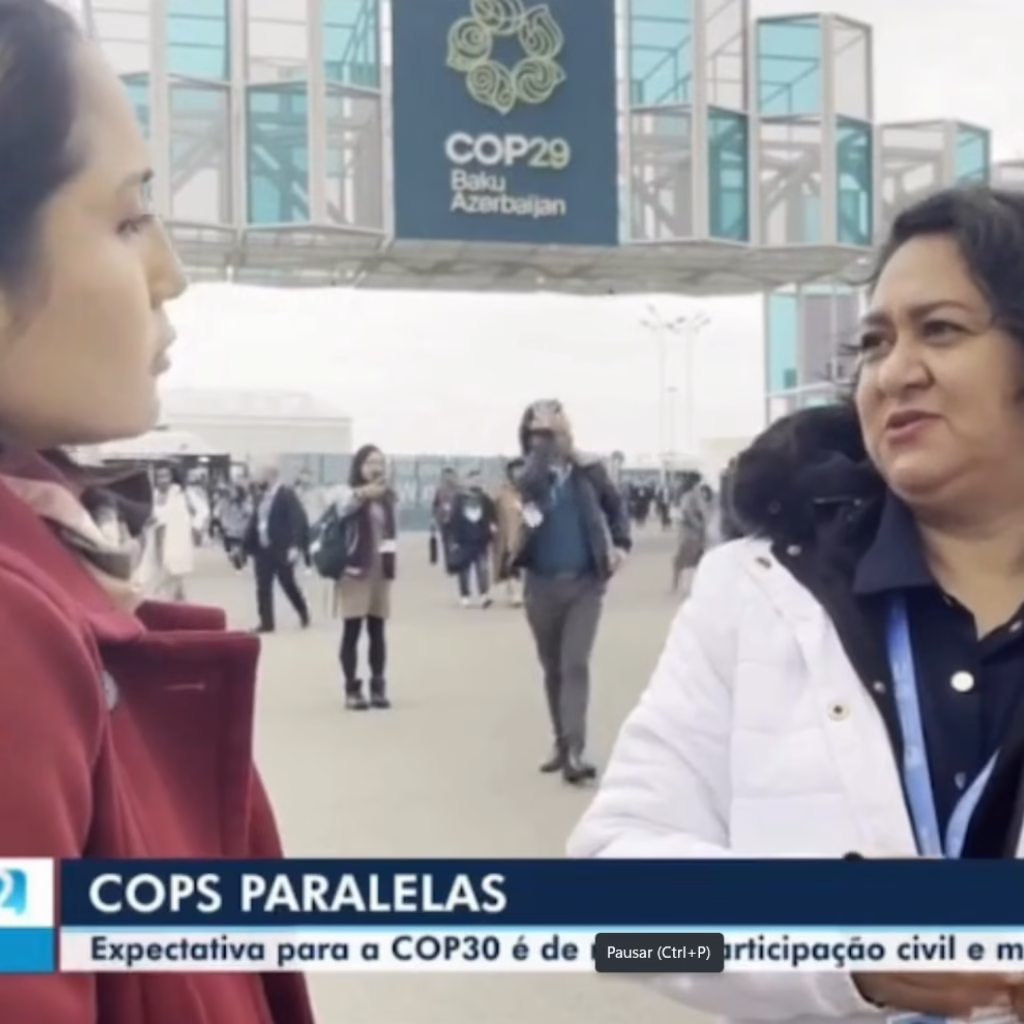
Report by JL1, from TV Liberal, live from COP 29, in Baku, Azerbaijan, on November 19, 2024. Interview with Sara Pereira, coordinator of the Dema/Fase Fund and member of the Political Commission of the People’s Summit Towards COP 30.
Delegation attends COP 29 in Baku, Azerbaijan: a call for climate justice and the construction of a fairer, more sustainable future.

Social movements, civil society organizations, networks, and traditional peoples from Brazil and the Global South are preparing the Cúpula dos Povos Rumo à COP 30. The efforts that began in 2023 are being reinforced through participation in COP 29 in Baku, Azerbaijan, and will continue until November 2025, when a large event for around 15,000 people will take place in parallel with COP30. The goal is to pressure governments worldwide, starting from Brazil, to adopt real solutions to address the climate crisis—something that can only be achieved with the leadership of peoples and movements. The Summit brings together around 400 organizations, including international, national, and local entities, of which 120 have signed the political charter collectively developed in plenaries held since 2023. All of them have a longstanding history of working with communities and traditional peoples who inhabit various biomes sustainably, producing and trading diverse goods using non-intensive, agroecological methods. The Cúpula serves as a convergence space for these organizations and networks around common agendas. From this confluence, political banners have been developed that are now being advocated in national and international decision-making spaces. These include just climate finance, the fight against false solutions, global governance, effective popular participation, agroecology, and food and nutritional sovereignty and security in the face of the climate crisis. During COP 29 in Baku, Azerbaijan, representatives of the Cúpula have participated in activities with member organizations leading panels and hosting their own initiatives. In every space occupied, the agendas of climate and social justice are reinforced. On Thursday, the 21st, the National Operational Committee responsible for organizing the Summit will hold its second activity for direct dialogue with new partners. In a context of growing climate and environmental crisis, Cúpula representatives demand urgent and effective actions to confront the devastating impacts of climate change, especially for the most vulnerable peoples and territories, such as indigenous, Black, feminist, peasant, and peripheral communities who suffer most from floods, extreme droughts, wildfires, and disasters caused by large corporate enterprises. The Cúpula dos Povos calls for the inclusion of the communities most affected by climate change in global decision-making and reaffirms the need for climate governance that respects human rights, peoples’ sovereignty, and ancestral knowledge. Path to COP 30: The Fight for a Just Future The Baku meeting was an opportunity to strengthen unity among member organizations and establish the next steps toward holding an autonomous Summit during COP 30 in Belém in 2025. The aim is to increase pressure on governments, promote sustainable alternatives, and ensure that the voices of peoples most affected by climate change are heard and respected. The Cúpula dos Povos demands concrete actions to combat the financialization of nature, the destruction of traditional territories, and threats to environmental defenders. Just as the Cúpula dos Povos held in Rio de Janeiro during Rio+20 represented the strength of global civil society at a critical moment in the fight for climate justice, this effort continues that legacy. With an inclusive agenda encompassing gender, race, class, and origin, the Cúpula proposes real solutions to the climate crisis and demands profound changes to the global economic model. Its realization in Belém, in the Amazon, in 2025 will be a historic milestone in the fight to defend peoples and nature. The media plays a key role in amplifying these voices and strengthening pressure on governments and corporations to commit to genuinely transformative solutions. Journalists and media outlets are invited to cover the next stages of the Cúpula dos Povos, interview its representatives, and give visibility to the struggle of millions around the world demanding a more just, sustainable, and dignified future for all. #CúpulaDosPovos #CumbredelosPueblos #COP30 #ClimateJustice #Amazon #JustTransition #HumanRights Press Contact:Communication OfficeSandra Rocha – +55 (91) 98517-4896comunicacaonacional@cupuladospovoscop30Follow our Instagram @cupuladospovoscop30
Building Global Bridges: People’s Summit event at COP-16 brings together more than 80 participants from all continents.
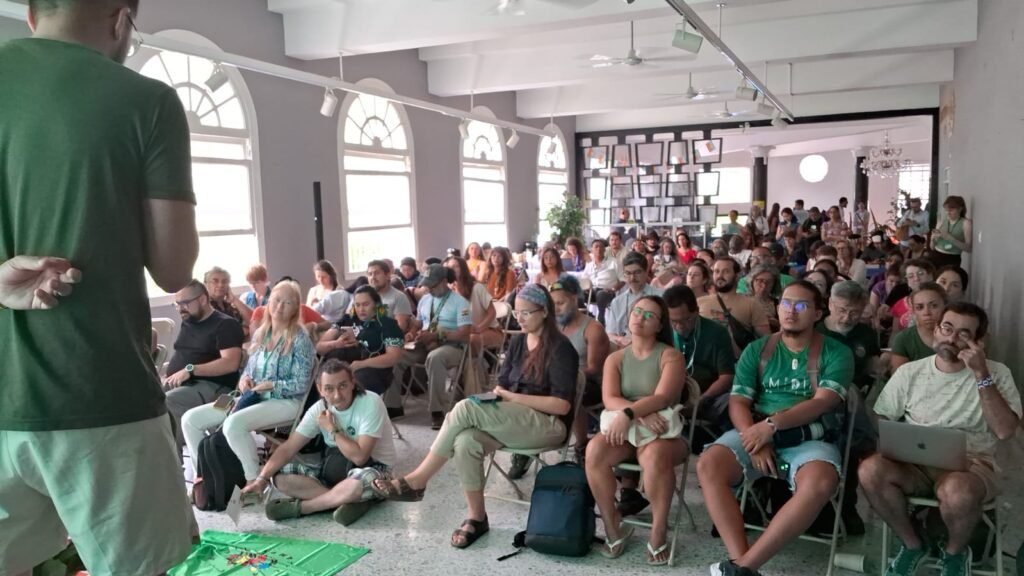
On October 27, the Cúpula dos Povos Rumo à COP-30 held an activity in the Green Zone of COP-16 in Cali, Colombia. The event was supported by the Climate and Land Use Alliance (CLUA) and brought together more than 80 participants from all continents. During the activity, members of the Cúpula’s Working Group presented the path traveled since the launch of the Summit in November 2023 up to the present. Methodological definitions and agreements established among the more than 300 Brazilian organizations that are already part of the Cúpula were shared. The main objective of the event was to take advantage of the presence of international organizations and movements at COP-16 to engage actors from around the world in the construction and realization of the Cúpula dos Povos Rumo à COP-30. Colombian panelists shared their experiences with social participation in the Green Zone of COP-16, while other international interventions discussed expectations for the Cúpula dos Povos and the challenges for internationalizing the process. Driven by these discussions, participants shared their expectations for the Cúpula dos Povos and debated ways to strengthen the collective building process across different countries. The diversity of voices and perspectives reinforces the creation of a robust and inclusive global movement, essential for addressing the social and climate challenges of our time. The 16th Conference of the Parties (COP-16) is an international meeting on climate change, held under the United Nations Framework Convention on Climate Change (UNFCCC). For social movements, COP-16 represents a vital space for popular participation, allowing marginalized voices and communities affected by climate change to influence global decisions. The Green Zone, in particular, is an area dedicated to civil society, where debates, cultural activities, and experience exchanges take place, broadening the democratization of climate discussions.